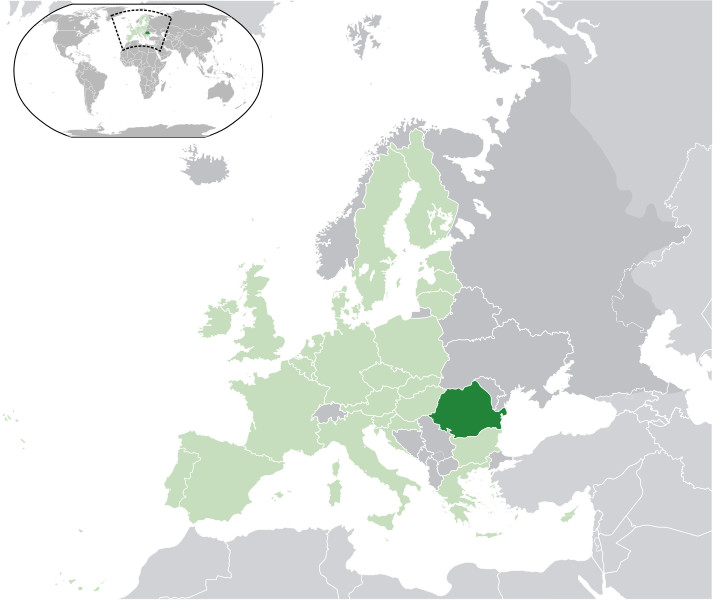
Fig 1: Map of Europe
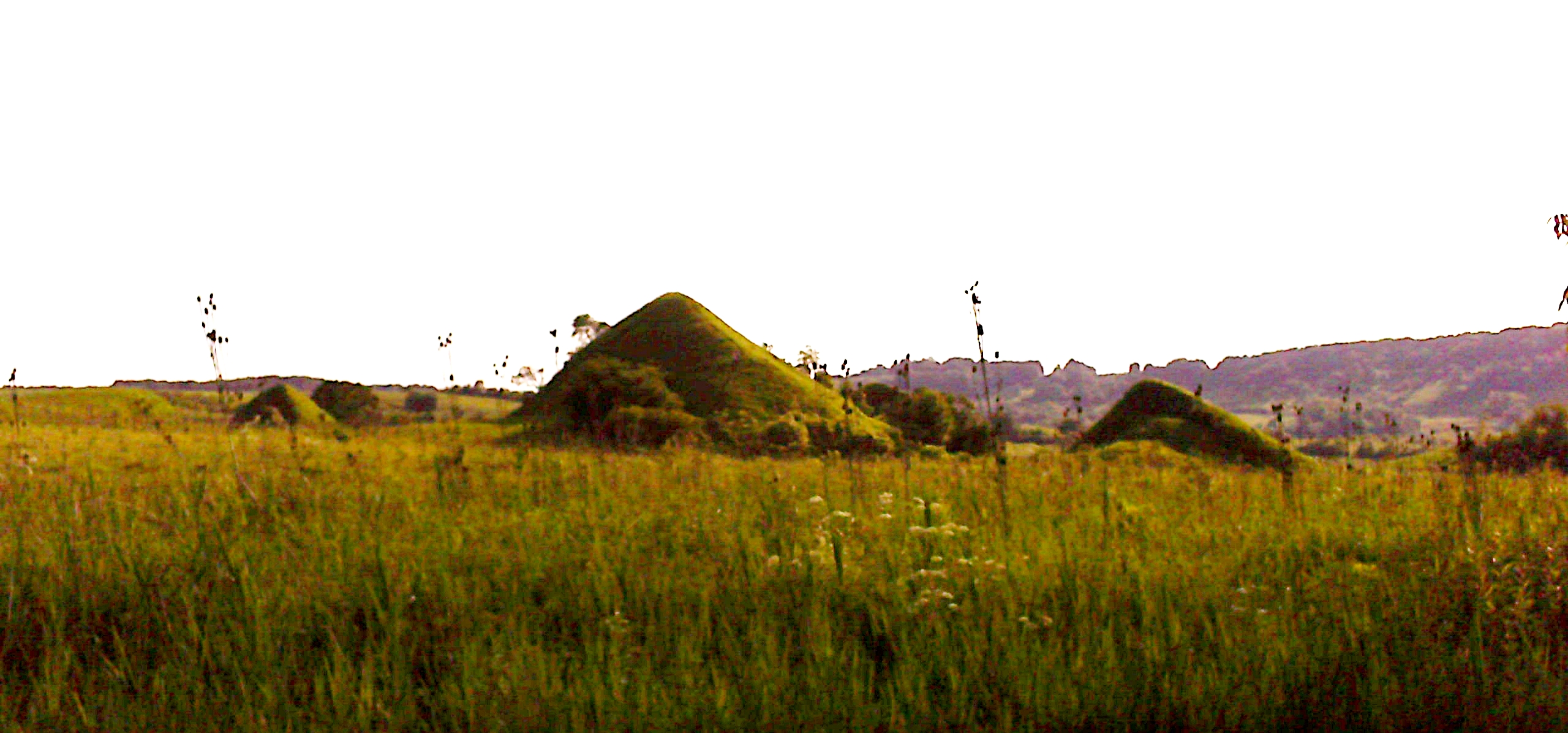
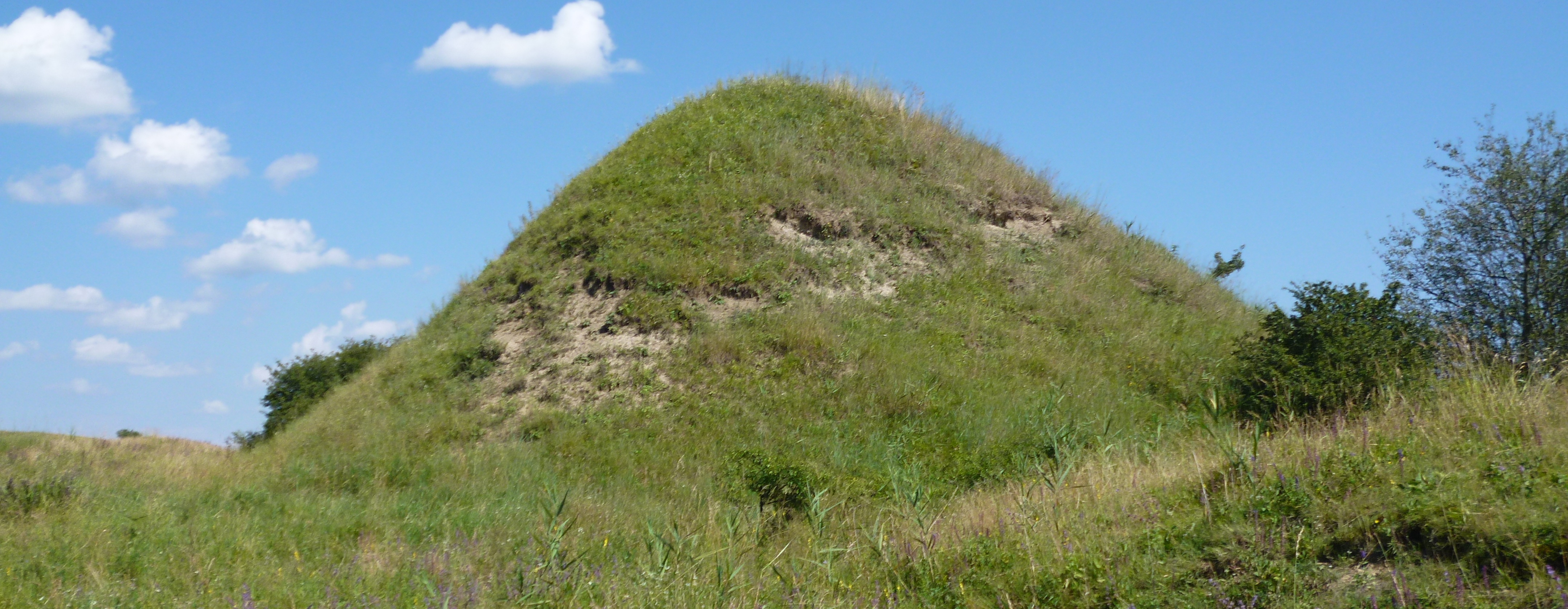
In the southern part of Transylvania (Fig. 1-2) a large amount of hills can be observed which obviously are not geological formations but artificial constructions. They are situated mainly in the area between the rivers Olt and Mureş, plenty of them being on the Hârtibaciu Plateau (Fig.3) and may be considered as grave mounts (tumuli).
They are cone-shaped, partially eroded, and most of them are 30m to 100m in diameter. Similarities in the shape of these mounts with the Celtic barrows in Western Europe as well as with the Scythian and Thracian ones in the northern and eastern areas of the Black Sea are evident.
As the archaeological evidence from the Bronze Age and Iron Age periods (Wietenberg, Hallstatt, La-Tène) is abundant in the Carpathian area, ranging from settlements and flat burial places without tumuli to treasures and single items, it is very likely that these tumuli have been erected in those periods. None of them have yet been investigated.
The basic structure of the tumuli consists of one of more funeral chambers with an aisle (dromos) leading to the entrance (Fig. 4). The sepulchral area was covered by an earthly hill which was heaped on it. The sacral complexes, the decorative elements as as well as the burial objects differ.
Most of the Scythian, Sarmatian and Thracian barrows in Russia, Ukraine and Bulgaria as well as some Celtic ones (e.g. the royal barrow at Glauberg in the North-East of Frankfurt o.M.) were embellished with costly materials. The tumuli which have been investigated in Romania in the Danube plane, in the southern Carpathian area, and in the western part of the Black Sea (e.g. Balta Verde, Basarabi, Sănduliţa, Ferigile, Bârseşti, Agighiol, Histria, Zimnicea, Poiana) prove the existence of that custom also in this region. The people who erected these tumuli were Thracians, Getae, Scythians, Sarmatians, Illyrians, their items being either native goods, Scythian and Thracian ones or of Greek origin, deposited in sepulchral pits.
As in the Carpathian area Getae, Dacian, Scythians, and Illyrians are attested, the conclusion may be drawn that they have built up the funeral tumular complexes. The proximity of the Transylvanian Metalliferous Mountains with their abundance of precious ores (gold, silver, copper, lead and iron) leads to the assumption that the barrows might be costly worked out and embellished. Rich ores and salt mines had been determining reasons for the early settlements in this region.
Tumular Funeral Complexes can be seen in several areas of the Hârtibaciu Plateau (Apold, Brădeni, Bărcut, Movile), in Saschiz, Sighişoara and in the north of Târgu Mureş in Petelea. Noteworthy are the so-called Pyramids of Şona with an indefinite upheaval in front of them, situated on the right bank of the river Olt (Fig. 5 - 10).
A big part of the tumuli are situated along the course of the projected motor highway Cluj – Târgu Mureş – Braşov – Bucureşti (Fig. 3). That’s why an archaeological survey is urgently necessary. The aim of this note is to stir the curiosity and the interest for the Transylvanian funeral tumular complexes which are worth to be investigated.
A short description can be found in: Alt-Schäßburg 6/2013 and 7/2014 (Anuarul Muzeului Historic Sighişoara / Jahrbuch des Geschichtsmuseums Schäßburg, ISSN 1844-6302).

Fig 2: Mounds/barrows in the Eastern and North-Eastern areas of the Black Sea
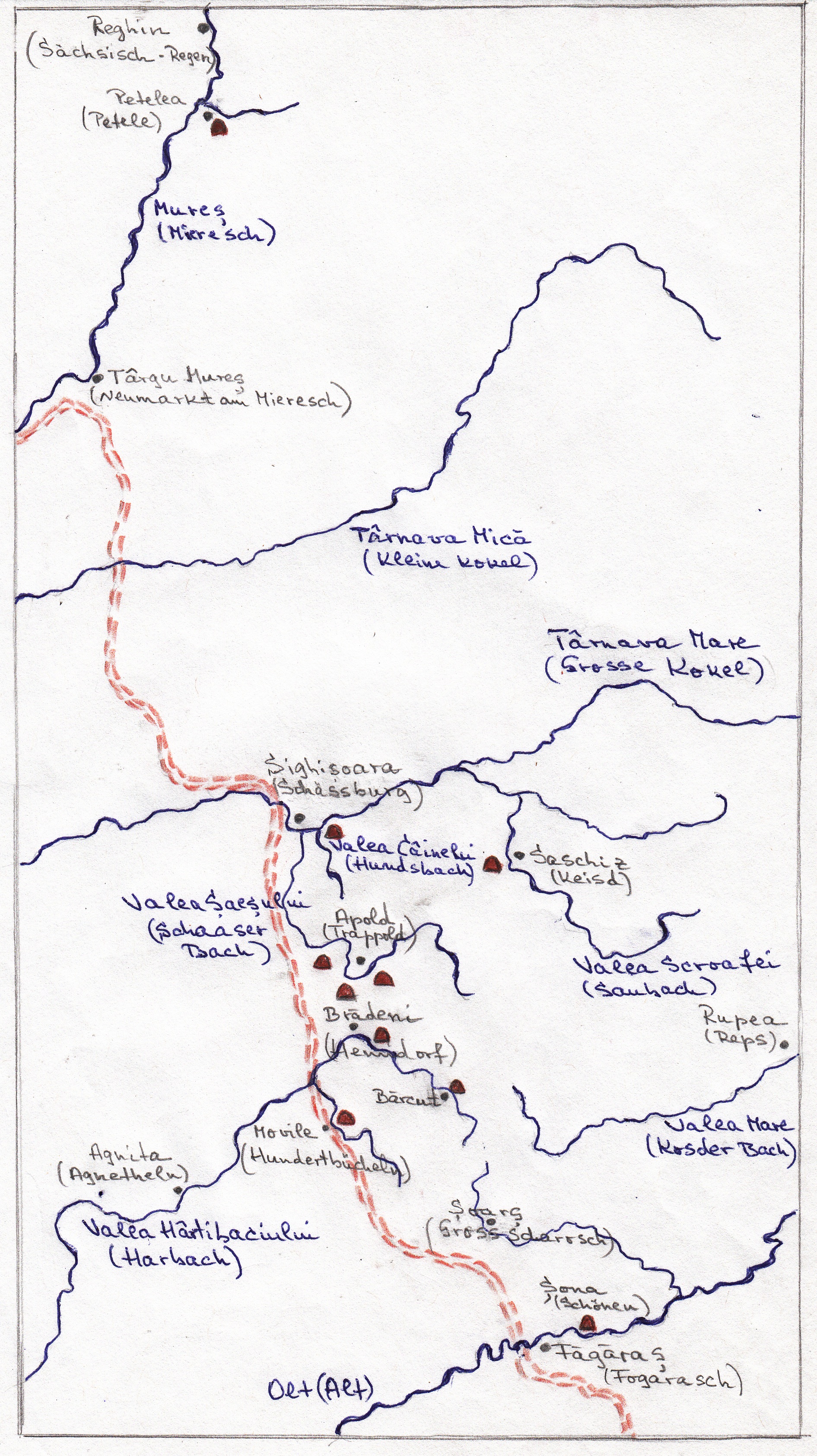
Fig 3: Map of the Carpathian area between the rivers Olt and Mureş
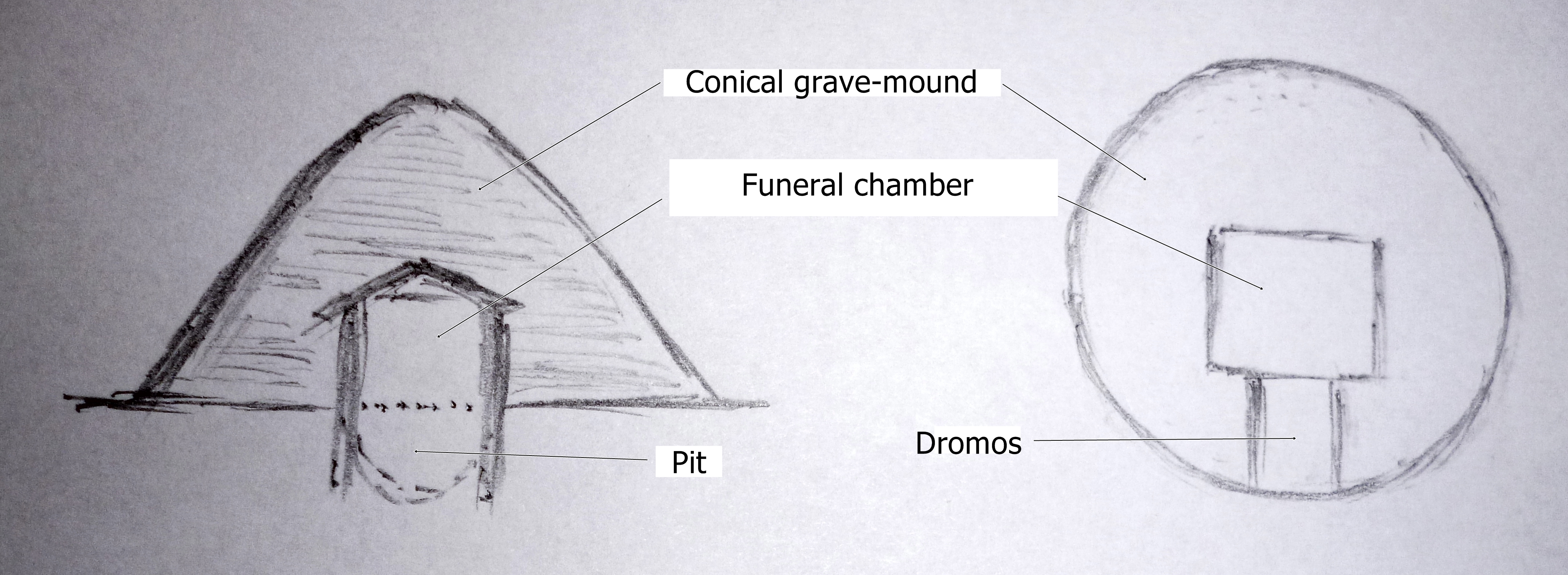
Fig 4: Cross-section and ground plan of a tumulus (barrow)
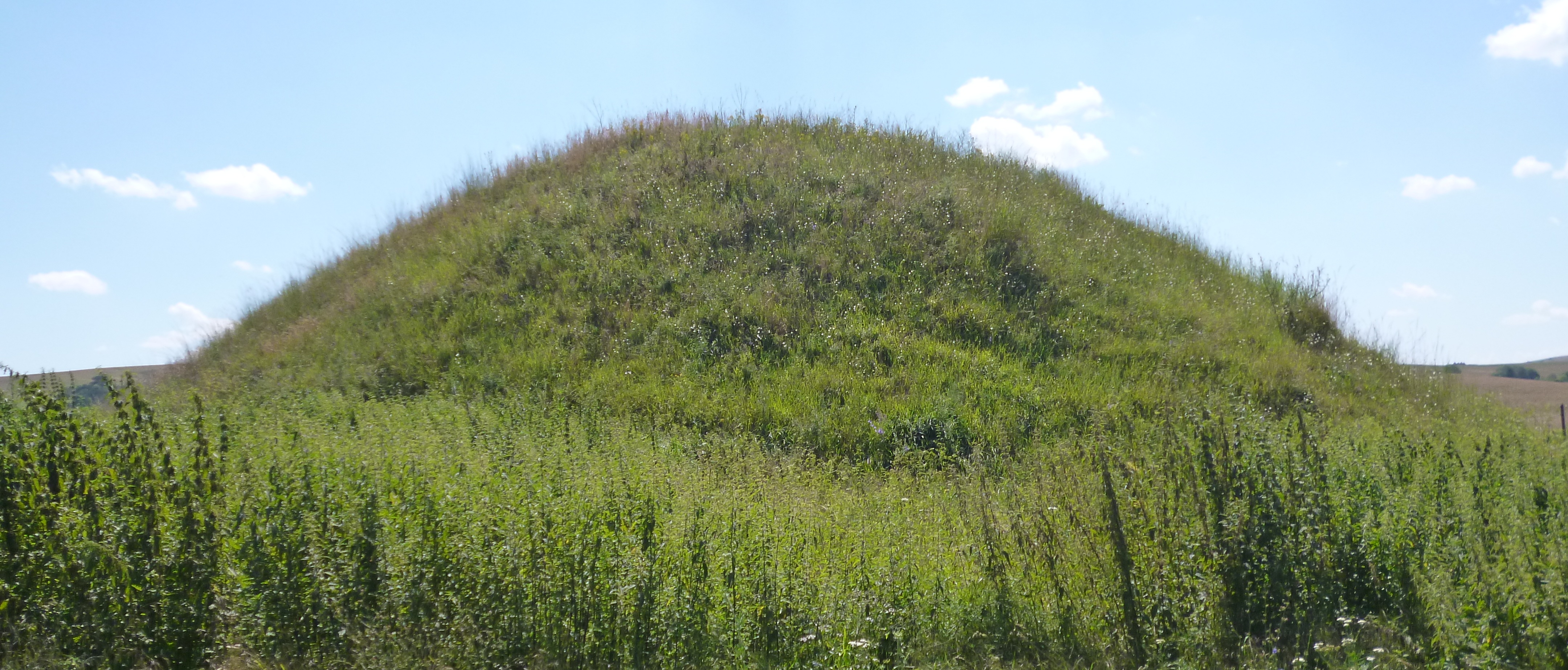
Fig 7: Mound/barrow in Brădeni
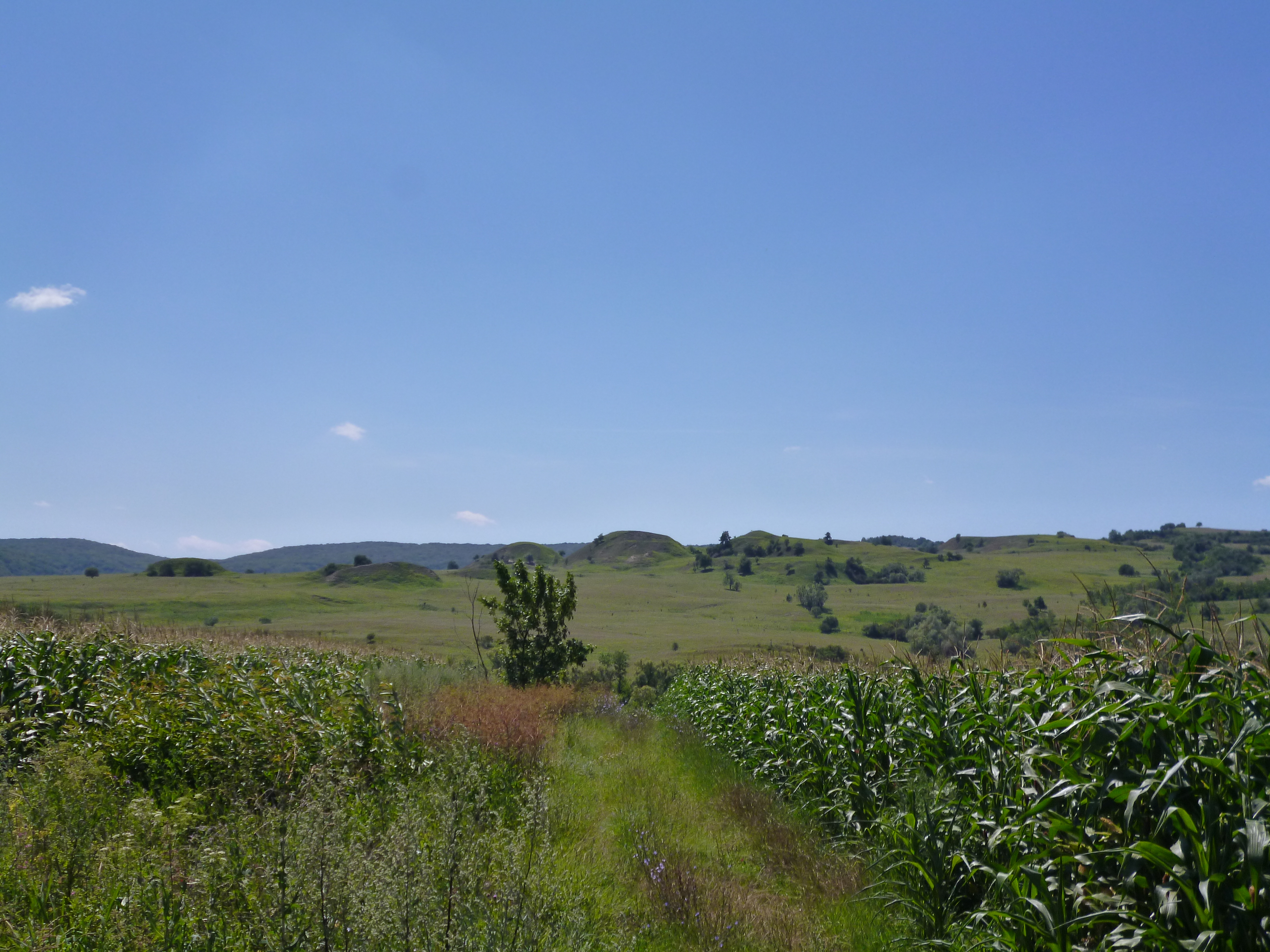
Fig 9: Mound/barrows in Saschiz
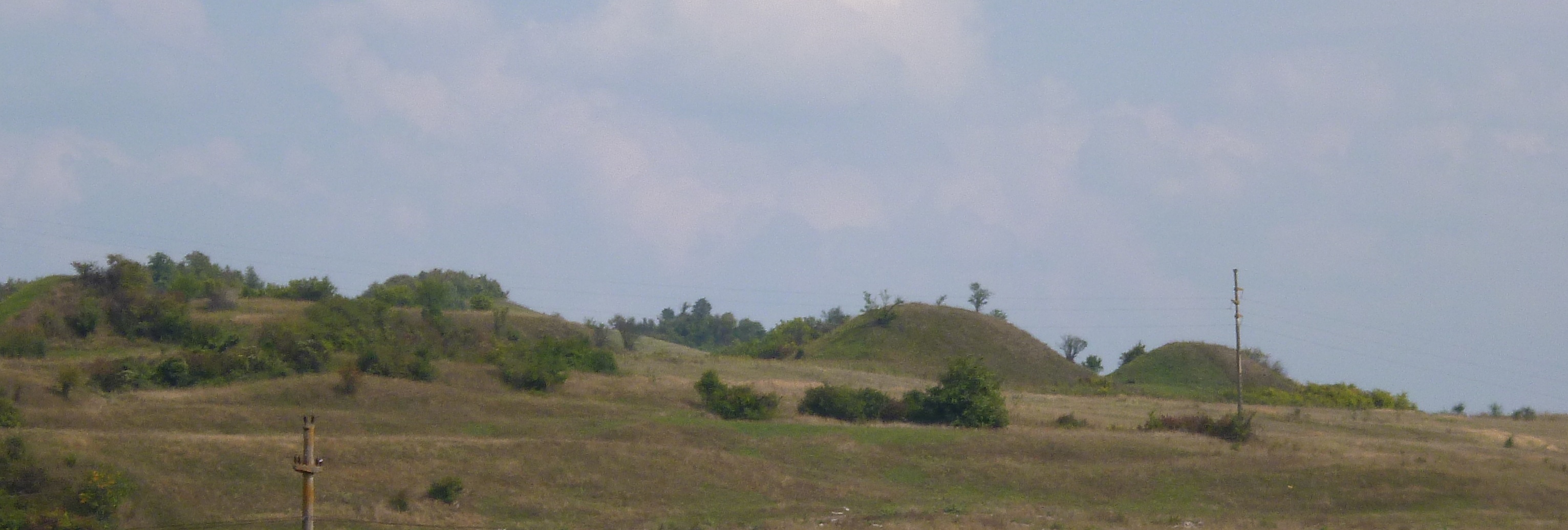
Fig 10: Mound/barrows in Petelea
Copyright 2013 Dr. Dana Sofia Bänder